
The NHS called it a clinical safety mechanism. So why isn't continuity of care happening?

In a health system where language tends toward the careful and the qualified, the National Maternity and Neonatal Investigation used unusually plain words. Having the same midwife throughout pregnancy, at birth and in postpartum (aka continuity of carer) is "not a luxury, it is a clinical safety mechanism."
That sentence matters. Not because it is new information to those of us working in maternity care, but because it is now the conclusion of the most comprehensive review of NHS maternity services in a generation, one that took evidence from over 10,500 women and families, 9,000 staff, and 12 NHS trusts across England and over 9,500 pieces of evidence.
What continuity of carer actually means
Continuity of carer means seeing the same midwife, or a small known team of midwives, throughout pregnancy, birth and the postnatal period. The same person, who knows your history, your preferences, your fears, and doesn't need to ask.
The most rigorous evidence base for continuity of carer comes from the Cochrane systematic review of midwife-led continuity models (Sandall et al., 2016), the gold standard of medical research, covering data from tens of thousands of women. Its findings are specific and consistent: women in continuity models are more likely to have a spontaneous vaginal birth, less likely to need an episiotomy, less likely to need epidural analgesia, and significantly more likely to be cared for during birth by a midwife they already know. There is no increased risk for mother or baby. The WHO recommends this model on the basis of precisely this evidence.
The mechanism behind these outcomes matters as much as the outcomes themselves. Women who know their midwife are better prepared, more confident in their decisions, and more likely to raise concerns early, which means risks are identified sooner, and interventions driven by time pressure or communication failure, rather than genuine clinical need, become less likely. Safety and satisfaction improve together, because they come from the same source: a woman who feels genuinely known.

The National Maternity Investigation's own findings add further weight. The evidence is particularly strong, it notes, for women who are socially vulnerable, where "trust and consistent relationships matter most." It references "reduced stillbirth rates for Black women who receive continuity of midwife care", one of the most specific clinical findings in the report, and one that sits within a well-documented pattern of disproportionate risk for Black women throughout the UK maternity pathway. NHS England's Core20PLUS5 programme already identifies continuity of care for women from Black, Asian and minority ethnic communities as a named priority.
And the chair of NHS England, Dr Penny Dash, is quoted in the report asking a question that deserves to be read plainly:
"We know that continuity of care matters. Why? Why isn't it there?"
Why it still isn't happening
The report's answer is honest: staffing constraints and logistical challenges, in a system being asked to meet twenty-first century need with a twentieth century design.
National policy required a named midwife for every pregnant woman in 2016. Nine years on, that policy has not been delivered at scale.
Trusts say they want to offer this model. Some pilot it well on a small scale. The distance between a successful pilot and universal delivery is not a policy gap, it is a workforce and funding gap, and one the system has not closed in nearly a decade of trying.
What we built: a collaborative approach to get the best of both worlds
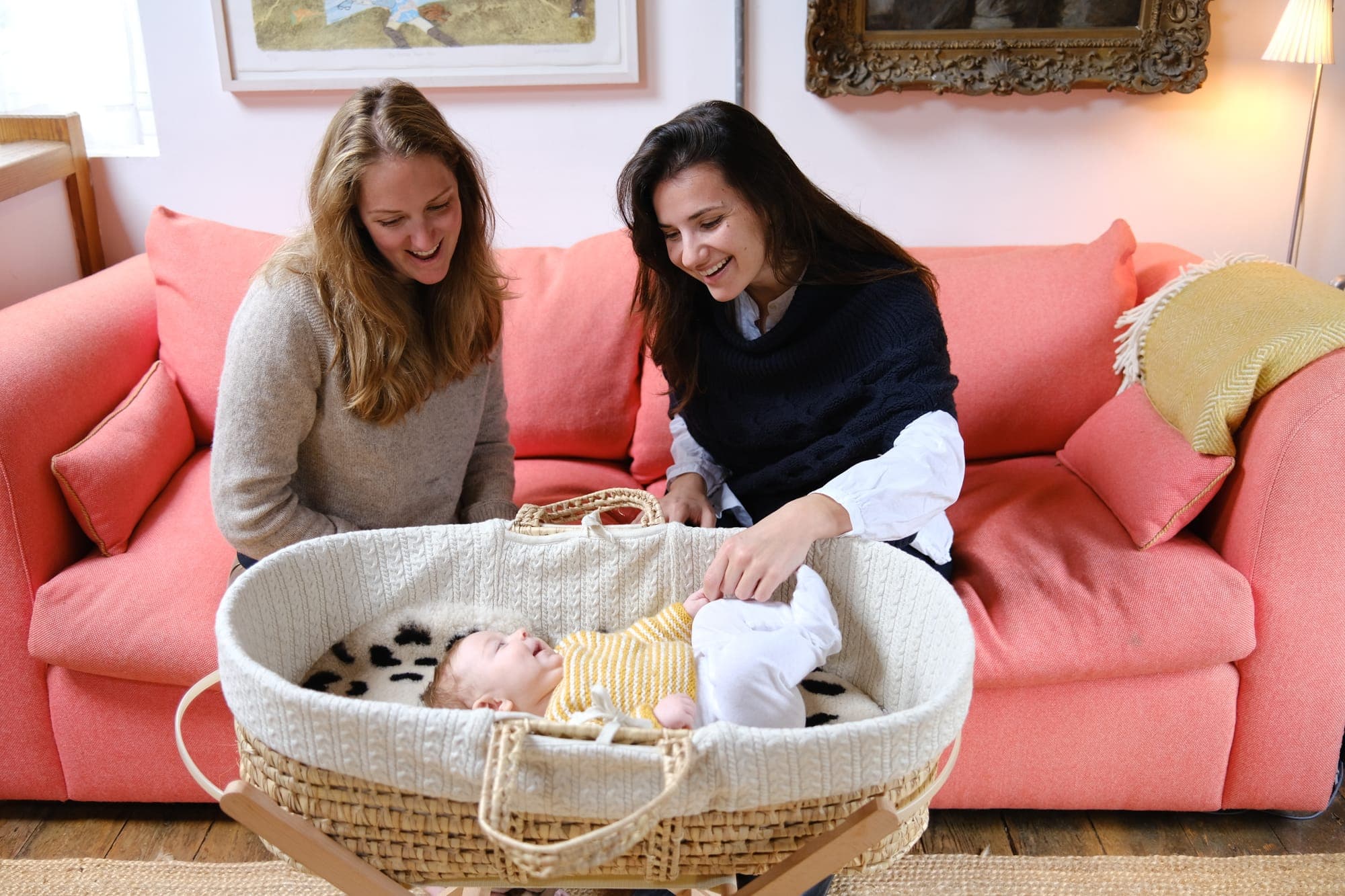
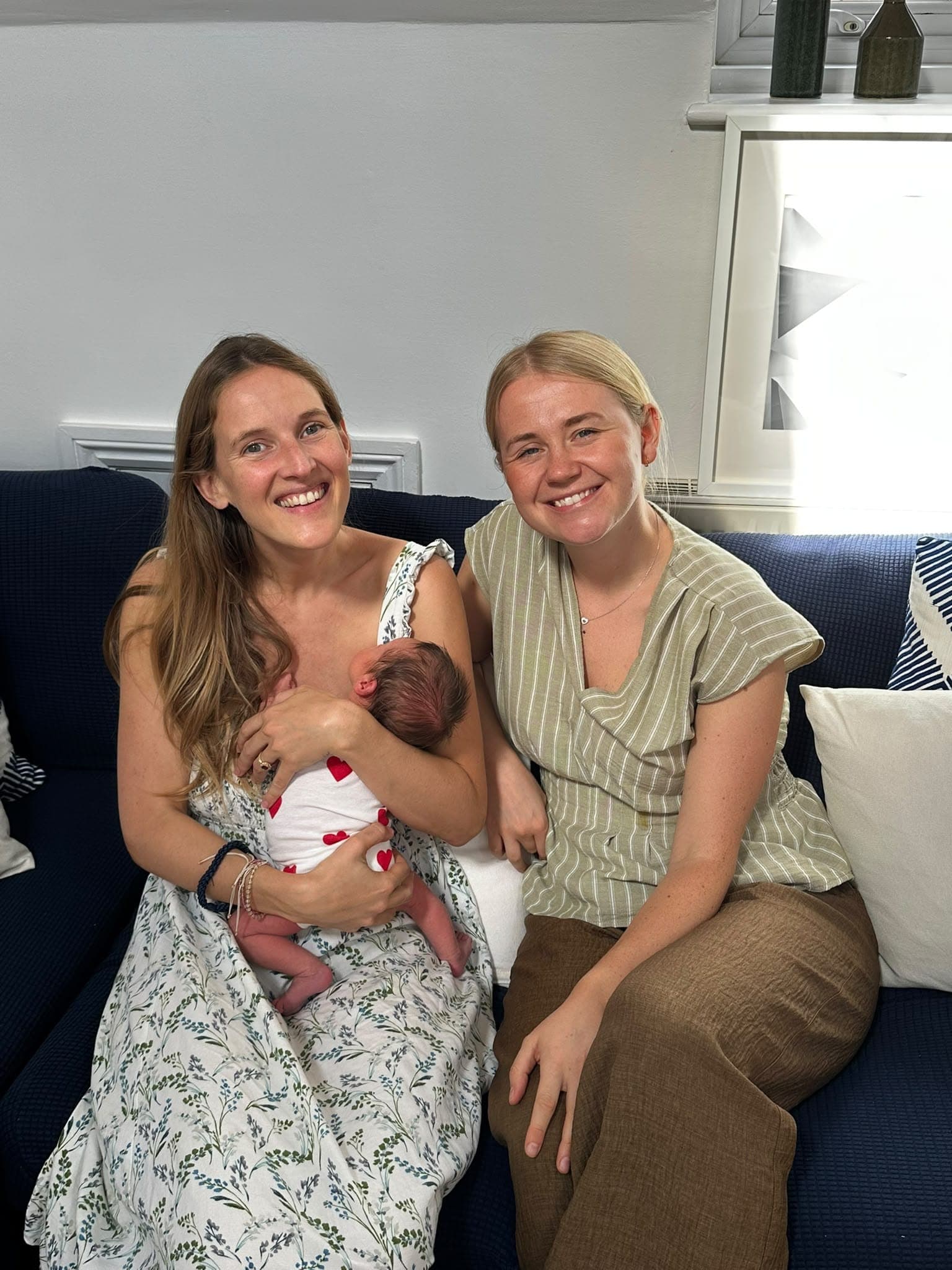
At The Motherhood Practice, midwife continuity is the core of our practice.
Each family has a dedicated midwife from their first appointment to 6 weeks postpartum. Each visit last for 60 to 120 minute at home, with time for clinical assessment AND for answering questions. Blood pressure, urinalysis, abdominal palpation, foetal heart, and then, after that, whatever you actually need to talk about. The things you would never raise in a ten-minute clinic slot. The question you've been sitting on for two weeks. The thing your partner is worried about but hasn't said.
The same midwife runs your birth preparation workshops, is available on WhatsApp 7 days a week between appointments, attends your birth at the hospital alongside the NHS clinical team, and continues postnatal care at home. When she is unavailable, a second midwife you have already met steps in. Your NHS care (your bloods, scans, your doctors) continues exactly as planned. We sit alongside it, not instead of it.
This is the model the WHO recommends, the Cochrane evidence supports, and the National Maternity Investigation says the NHS has not yet found a way to deliver at scale. It is available to book today.
"It is the first time in my pregnancy I have felt like more than a set of notes."
Hannah, one of our client, after her booking appointment with The Motherhood Practice.
If continuity of care is a clinical safety mechanism, as the report says, you should not have to wait for the system to find a way to deliver it.
References
- National Maternity and Neonatal Investigation. Final Report and Recommendations. 2026.
- Sandall J et al. Midwife-led continuity models versus other models of care for childbearing women. Cochrane Database of Systematic Reviews. 2016;(4):CD004667.
- Bohren MA et al. Continuous support for women during childbirth. Cochrane Database of Systematic Reviews. 2017;(7):CD003766.
- World Health Organization. Transitioning to midwifery models of care. 2024.
MBRRACE-UK. Saving Lives, Improving Mothers' Care. 2023. - NHS England Core20PLUS5 programme for maternity care.


Let’s start with a chat.
A free 20-minute chat with Clarissa. No pressure, no commitment, just space to ask whatever is on your mind.